
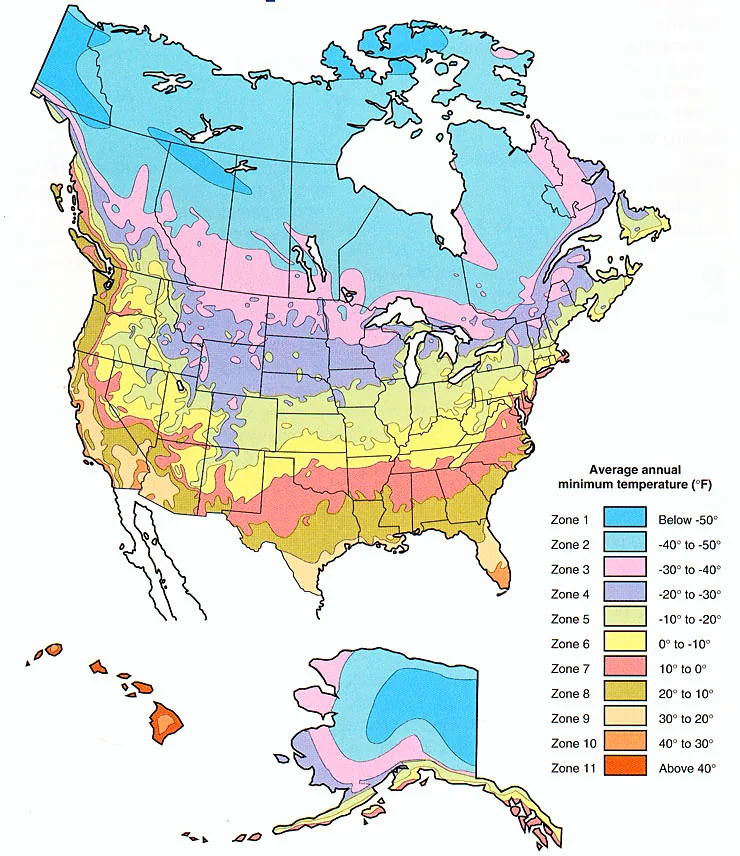
Use the Canadian hardiness system as a starting point
For Canadian gardens, use the current Natural Resources Canada plant hardiness information rather than assuming a U.S. zone map tells the whole story. The Canadian system considers several climate factors, and zone boundaries can be refined as climate records are updated.
Your exact property can be warmer or colder than the map
A south-facing brick wall can create a sheltered warm pocket. An exposed corner, low frost pocket or windy lake-facing lot can behave colder. Dense snow cover can insulate roots, while a bare windy site may be harsher even when both addresses share the same mapped zone.
Drainage can matter as much as cold
A plant that tolerates winter temperatures may still fail in saturated soil. Freeze-thaw conditions are especially hard on roots sitting in poorly drained areas. Before chasing a hardiness number, understand where water collects and how quickly the soil drains.
Match sun and wind exposure too
Full-sun labels assume enough light during the growing season, but mature GTA neighbourhoods often have changing light as tree canopies fill in. Winter wind also matters for broadleaf evergreens and exposed specimens. Plant selection should account for the actual site, not only the postal code.
Think about establishment, not just survival
A technically hardy plant can struggle if it is planted too late, installed poorly or enters winter dry. Proper planting depth, soil preparation, watering during establishment and sensible mulching often determine whether the first winter is uneventful.
Use zone information to narrow choices, then assess the site
The best process is simple: confirm the general hardiness range, then evaluate light, soil, moisture, exposure, mature size and maintenance expectations. That produces a planting plan that fits the property instead of a list of plants that merely survive nearby.